
Why Making Fibroids Count is a Clinical and Moral Mandate for Women’s Health
March 12, 2026 Richmond Vascular Center
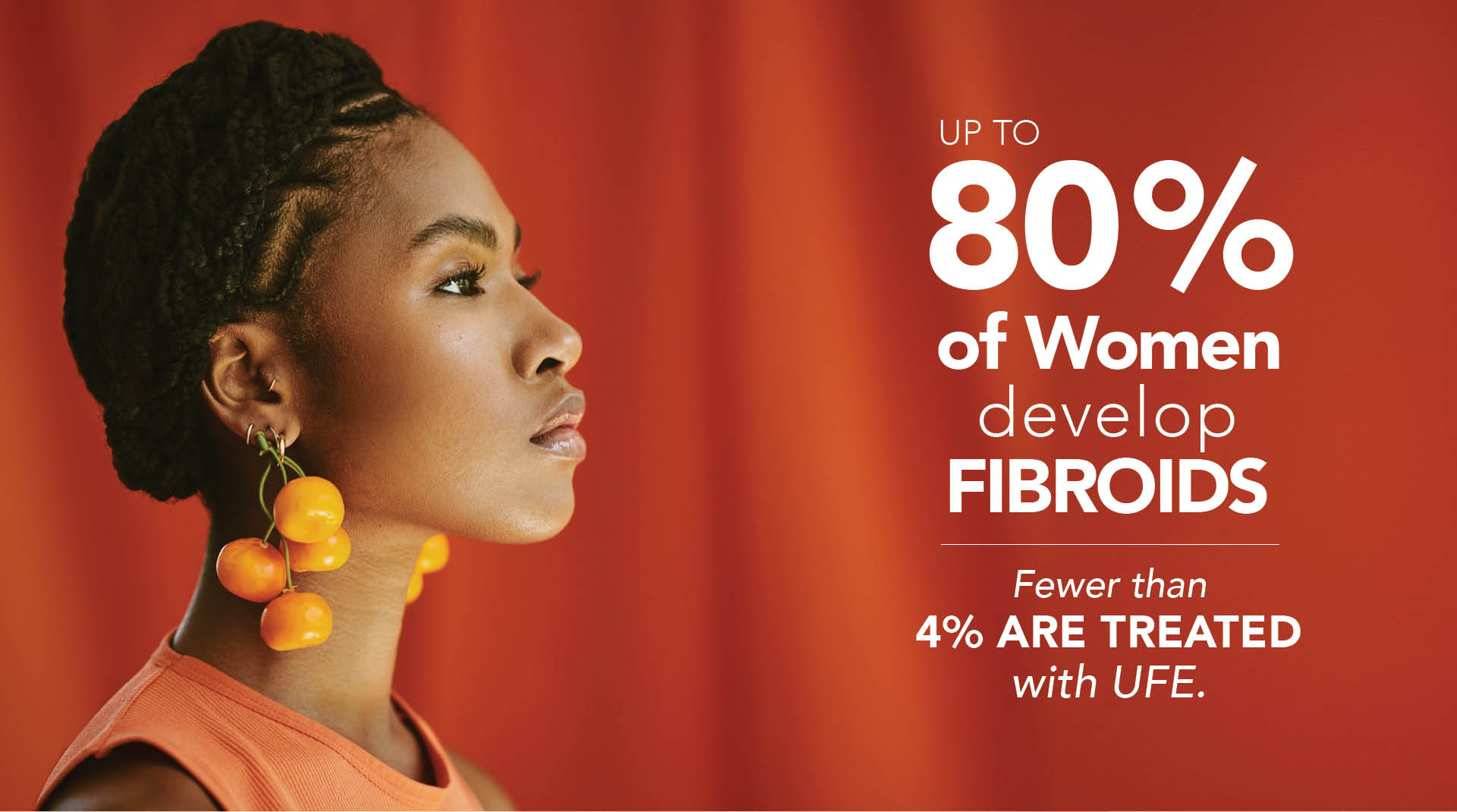
Eighty percent. It is a staggering statistic for any condition, yet the prevalence of uterine fibroids remains one of the most under-funded and under-discussed crises in modern medicine. As we transition from Black History Month into Women’s History Month, the #MakeFibroidsCount campaign, launched by the Foundation for Women’s Health in partnership with Academy Award-winning actor Lupita Nyong’o, is finally lifting the veil on this invisible burden.
In her viral campaign launch, Lupita shared a sobering reality: despite having 20 fibroids removed a decade ago, she is currently battling 50 more. She issued a challenge to the medical community, stating: “I’m still being offered the same options: surgery or living with the pain. […] I envision a future with less invasive treatments.” For those of us in interventional radiology, our response to that vision is simple: That future is already here.
But to reach that future, we first have to change how we talk to women in the exam room. We often speak in the language of the grocery store, telling patients their fibroids are the size of a blueberry, a lemon, or a grapefruit. While it’s a convenient shorthand for doctors, the Make Fibroids Count campaign reminds us that these comparisons are meant to help visualize the condition—not to minimize its impact. For many women, fibroids are far more than a measurement; they represent years of pain, heavy bleeding, and a profound loss of control over their own bodies.
It’s time to recognize the pain that so many patients live with, often experiencing debilitating symptoms for a decade or more before seeking help. They’re told that heavy periods and pelvic pressure are just “part of being a woman.” When they finally do seek help, they are frequently met with two extremes: “watchful waiting” (doing nothing) or “hysterectomy” (major surgery).
Between these two poles lies a massive gap in care — a gap that disproportionately affects Black women, who are diagnosed younger and are nearly three times more likely to be steered toward a hysterectomy than white women [1]. When nearly 74% of fibroid interventions are still major surgeries, while fewer than 4% are treated through minimally invasive options like Uterine Fibroid Embolization (UFE), we aren’t just looking at a medical statistic; we are looking at a systemic failure of informed consent [2].
A Proven, Less Invasive Path Forward
Lupita’s participation in the “Make Fibroids Count” movement is a global call to fund urgently needed research, but it is also a call for better community awareness right now. The “less invasive” path she envisions is one that interventional radiology has been advancing for more than 25 years. Uterine Fibroid Embolization (UFE) is an image-guided procedure performed through a tiny nick in the skin, usually at the groin. There are no scalpels, no stitches, and no hospital stays. By blocking the blood flow to the fibroids, we cause them to shrink and die while keeping the uterus intact.
Where a hysterectomy requires six to eight weeks of recovery, UFE allows most women to return to their lives within one to two weeks [3]. So why is this still a “secret” to so many? Historically, part of the challenge has been visibility. Interventional radiology was often tucked away inside hospital systems, creating a disconnect for women seeking care in a traditional office setting. Today, that model is changing. By bringing modern IR care into community-based and outpatient settings, we are making UFE more accessible to both patients and referring physicians, helping ensure it becomes a standard part of the conversation about fibroid treatment. In fact, a 2024 survey showed that less than half of women with symptomatic fibroids were even aware UFE existed.
Every woman deserves evidence-based information. True informed consent is impossible if a patient isn’t aware that a non-surgical path is even an option. We must move toward a healthcare model where a patient’s diagnosis leads to a comprehensive discussion of her future, not just a recommendation for the operating room.
Better conversations lead to better outcomes. When we make fibroids count on a national stage, we stop treating them as an “inevitable” burden and start treating them as a manageable condition. If you or a loved one are navigating this diagnosis, we encourage you to join this movement by demanding a full spectrum of care. Ask your doctor specifically about UFE and request a consultation with an interventional radiologist. You shouldn’t have to choose between your quality of life and your physical integrity. As Lupita said, “We deserve better. It’s time to demand it.”
Citations
[1] Henry Ford Health/Michigan Medicine Study (2024) on Uterine Fibroid Disparities
[2] JAMA Network Open (2025): National Utilization Patterns and Disparities in UFE vs. Hysterectomy
[3] Surgical Associates/Johns Hopkins (2026): UFE Recovery vs. Hysterectomy Guidelines
More News
Cold Now, Hot Later: Why Leg Vein Symptoms Change with the Season
February 23, 2026
Black History Month, Fibroids, and Health Equity: What Every Woman Should Know
February 16, 2026
Virginia’s Top Doctors in Radiology 2026
January 21, 2026
Without a Scalpel Day: Rethinking How Common Conditions Are Treated
January 15, 2026