
Uterine Fibroid Embolization (UFE): When Abdominal Changes May Be Linked to Fibroids
March 20, 2026 Richmond Vascular Center
For many women, abdominal fullness or a gradually enlarging abdomen is a common concern. Often attributed to digestion, weight changes, or normal shifts with age, there can be a less obvious cause to consider: uterine fibroids. In some cases, women later learn that minimally invasive treatments such as Uterine Fibroid Embolization (UFE) may help address symptoms caused by fibroids. While frequently overlooked, fibroids are quite common, and while many cause no symptoms, others can affect how a woman’s abdomen feels or appears over time.
Why Fibroids Are Not Always Considered
Because fibroids develop in the uterus, they are often associated primarily with menstrual symptoms. However, depending on their size, number, and location, fibroids can cause the uterus to enlarge and create a sense of abdominal pressure or persistent fullness.
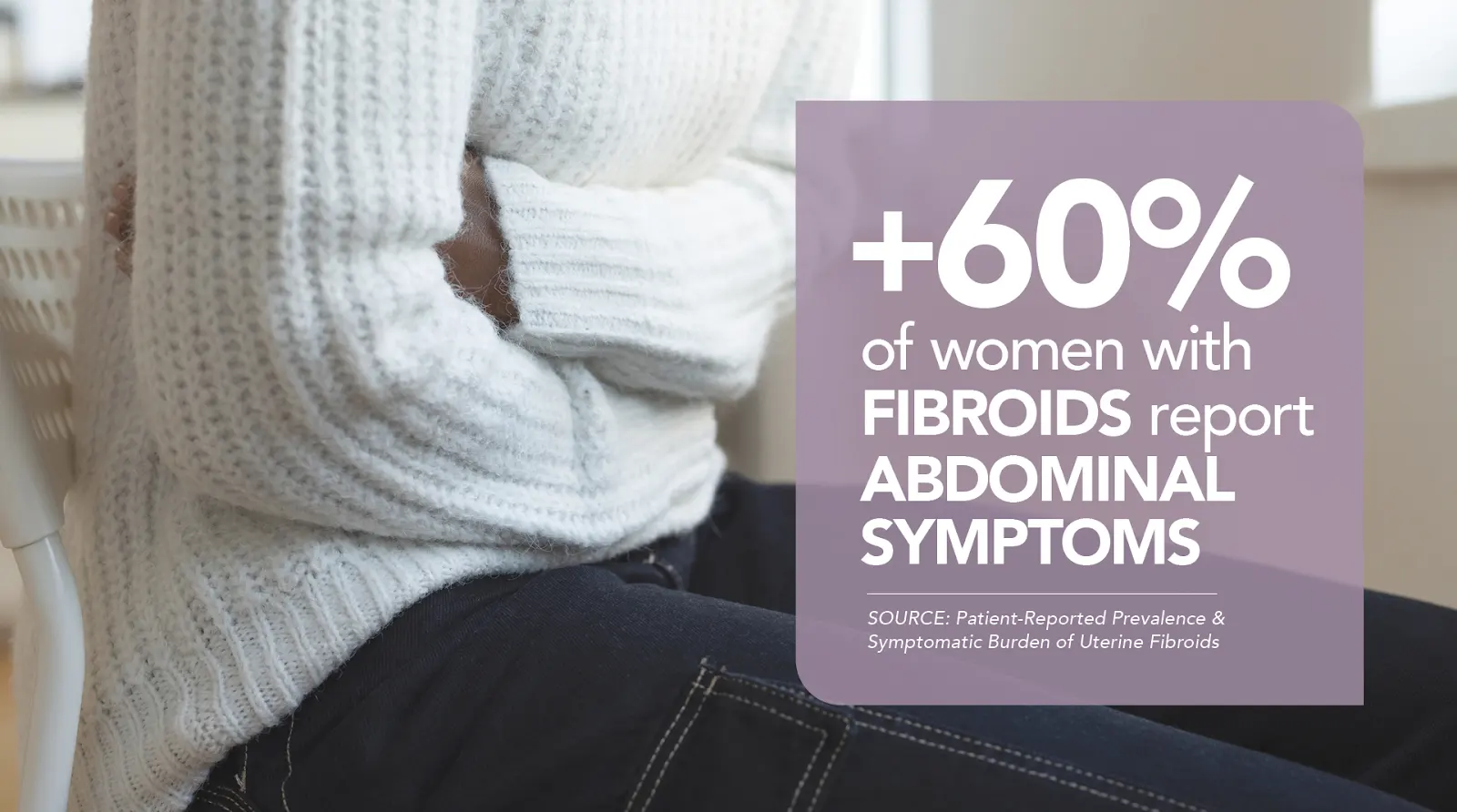
Research shows that abdominal symptoms are common among women with fibroids. In a large patient-reported study, more than 60% of women with fibroids reported symptoms such as bloating, constipation, or other abdominal discomfort, in addition to pelvic or menstrual symptoms. [1]
Unlike typical bloating, fibroid-related abdominal changes may feel constant rather than fluctuating. Some women notice that their abdomen continues to feel firm or enlarged even when diet, exercise, or digestive treatments do not change.
When Abdominal Shape May Be Affected
Fibroids can vary widely in size. While many are small, others can grow large enough to noticeably enlarge the uterus. In these cases, the increased uterine size may contribute to visible abdominal changes or a sensation of pressure that extends beyond the pelvis.
This can make fibroid-related symptoms easy to confuse with weight gain or gastrointestinal conditions, particularly when menstrual symptoms are mild or absent.
When Evaluation May Help
There is no single symptom that confirms fibroids as the cause of abdominal changes. However, persistent abdominal fullness, a steadily enlarging lower abdomen, or abdominal pressure accompanied by changes in menstrual patterns may warrant further evaluation.
Imaging studies, such as ultrasound or MRI, are commonly used to assess the uterus and determine whether fibroids are present. This information helps clarify whether fibroids may be contributing to symptoms and guides discussions about options moving forward.
Understanding Next Steps
Not all fibroids require treatment. Many are monitored over time, especially when symptoms are manageable. When symptoms interfere with daily life, treatment options may include medical management, minimally invasive procedures, or surgery, depending on individual circumstances.
Identifying whether fibroids are contributing to abdominal changes is an important step in understanding what options may be appropriate.
Uterine Fibroid Embolization (UFE): A Minimally Invasive Treatment Option
For patients whose fibroids are contributing to abdominal pressure, fullness, or other symptoms, Uterine Fibroid Embolization (UFE) may be one treatment option to consider.
UFE is a minimally invasive procedure that treats fibroids by eliminating their blood supply, causing them to shrink considerably over time. Rather than removing the uterus or fibroids surgically, UFE targets the vessels that support fibroid growth. As the fibroids shrink after UFE treatment, symptoms such as pressure, bloating, and pelvic discomfort improve significantly. You can learn more about this procedure on our Uterine Fibroid Embolization treatment page.
This outpatient procedure is performed using imaging guidance and takes about 30 to 45 minutes under light sedation. Recovery is measured in days rather than weeks. Most women with symptomatic fibroids are candidates for UFE, and a thorough evaluation by our experts helps determine whether this approach is right for you.
This outpatient procedure is performed using imaging guidance and takes about 30 to 45 minutes under light sedation. Recovery is measured in days rather than weeks. Most women with symptomatic fibroids are candidates for UFE, and a thorough evaluation by our experts helps determine whether this approach is right for you.
At Richmond Vascular Center, care begins with understanding a patient’s symptoms and history, then reviewing all appropriate options so individuals can make informed decisions about next steps. Let us know if we can answer your questions or schedule a consultation.
Citations
[1] Fuldeore et al., Patient-Reported Prevalence and Symptomatic Burden of Uterine Fibroids
Return to News & ResourcesMore News
Hemorrhoid Artery Embolization (HAE): When Persistent Hemorrhoid Symptoms May Need a Less Invasive Option
March 20, 2026
Why Making Fibroids Count is a Clinical and Moral Mandate for Women’s Health
March 12, 2026
Cold Now, Hot Later: Why Leg Vein Symptoms Change with the Season
February 23, 2026
Black History Month, Fibroids, and Health Equity: What Every Woman Should Know
February 16, 2026