
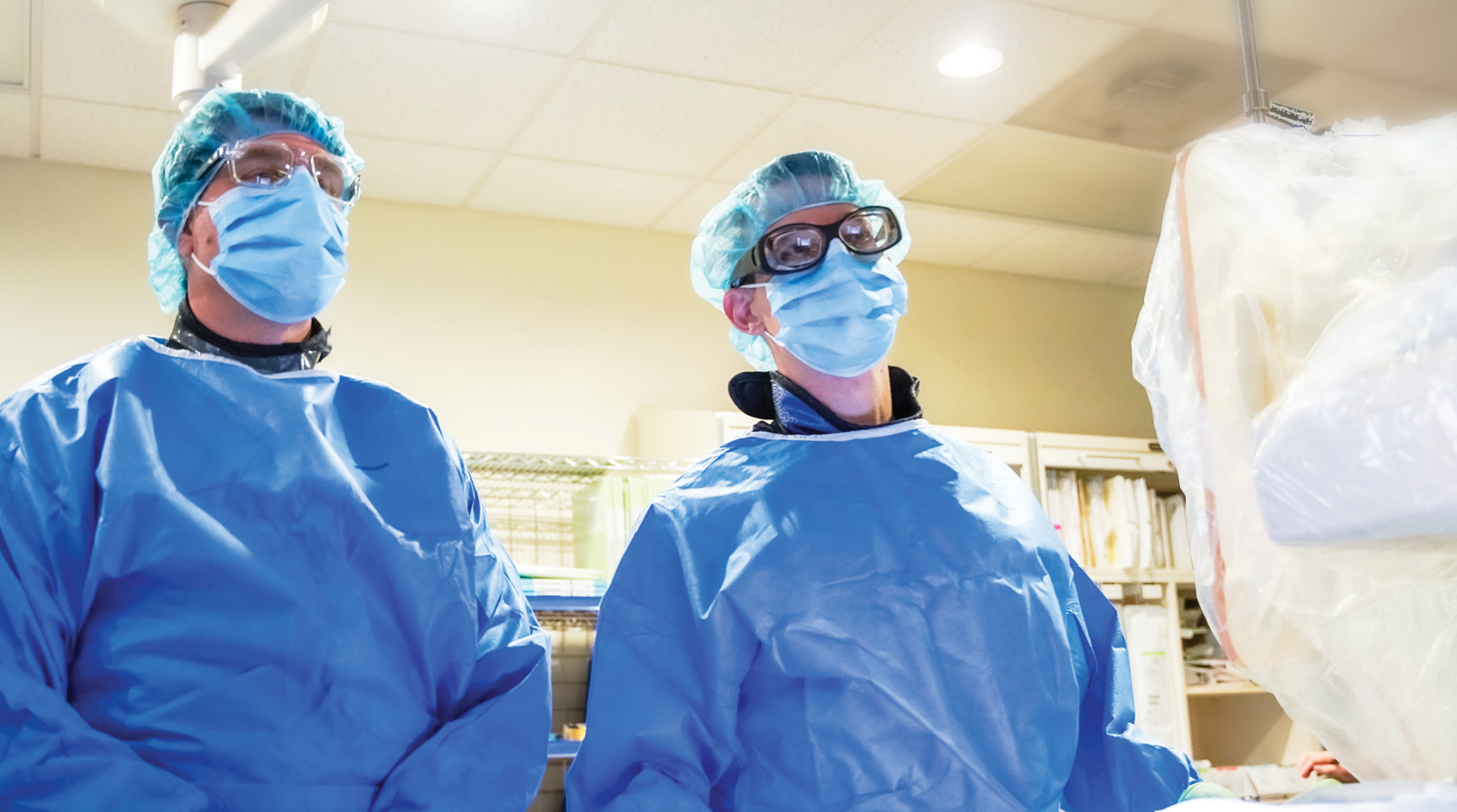
Without a Scalpel Day: Rethinking How Common Conditions Are Treated
January 15, 2026 Richmond Vascular Center
Every January 16, Without a Scalpel Day marks an important shift in how medicine is practiced and how patients experience care.
The day commemorates a milestone from 1964, when interventional radiologist Dr. Charles Dotter performed the first angioplasty. His work demonstrated that many conditions once treated with open surgery could instead be addressed from inside the body, using imaging, precision tools, and very small access points. That moment helped shape the field of interventional radiology, or IR, a specialty focused on treating adverse conditions while minimizing disruption to patients’ lives.
More than sixty years later, that same idea continues to guide modern care. For many patients, it means fewer incisions, less pain, and a faster return to everyday activities.
What “Without a Scalpel” Means in Practice
Interventional radiology uses advanced imaging such as X-ray, ultrasound, or CT to guide tiny instruments through the body to treat specific problem areas. Rather than relying on large surgical incisions, these procedures emphasize accuracy and planning.
For patients, this often results in:
- Shorter recovery times
- Less post-procedure discomfort
- Lower risk of complications
- Outpatient care rather than hospitalization
It also means more choice, especially for people who have been told that surgery is their only option.
Uncommon Procedures for Common Ailments
At Richmond Vascular Center, many of the procedures offered fall into a unique category. They treat conditions that affect millions of people, but do so in ways that many patients are not aware exist.
Some of the most common examples include:
- Uterine Fibroid Embolization (UFE), a non-surgical treatment for uterine fibroids that can relieve heavy bleeding and pelvic pain while preserving the uterus.
- Genicular Artery Embolization (GAE), a minimally invasive option for chronic knee pain caused by osteoarthritis, designed to reduce inflammation and pain without joint replacement surgery.
- Hemorrhoid Embolization (HAE), an image-guided treatment for persistent hemorrhoid symptoms that avoids incisions and typically allows for a quicker recovery.
- Prostatic Artery Embolization (PAE), a non-surgical approach to treating benign prostatic hyperplasia, or enlarged prostate, that can improve urinary symptoms with minimal downtime.
- Venous Insufficiency and Varicose Vein Treatment, outpatient procedures such as radiofrequency ablation and sclerotherapy that improve circulation, reduce leg discomfort, and support long-term vein health.
Care That Puts the Patient First
While minimally invasive techniques are central to interventional radiology, the patient experience matters just as much. At Richmond Vascular Center, care is intentionally personal. Consultations are thorough, questions are welcomed, and treatment decisions are made collaboratively.
Many patients arrive after living with symptoms for months or years. Learning that there may be an option that does not involve major surgery often brings both relief and clarity.
A Day to Reconsider What Is Possible
Without a Scalpel Day is not about a single procedure or specialty. It is a reminder that medicine continues to evolve and that patients benefit when they understand their options.
If you or someone you care about has been told surgery is the only answer, this day is an opportunity to learn more, ask questions, and explore whether a minimally invasive approach could be right for you.
Return to News & Resources