
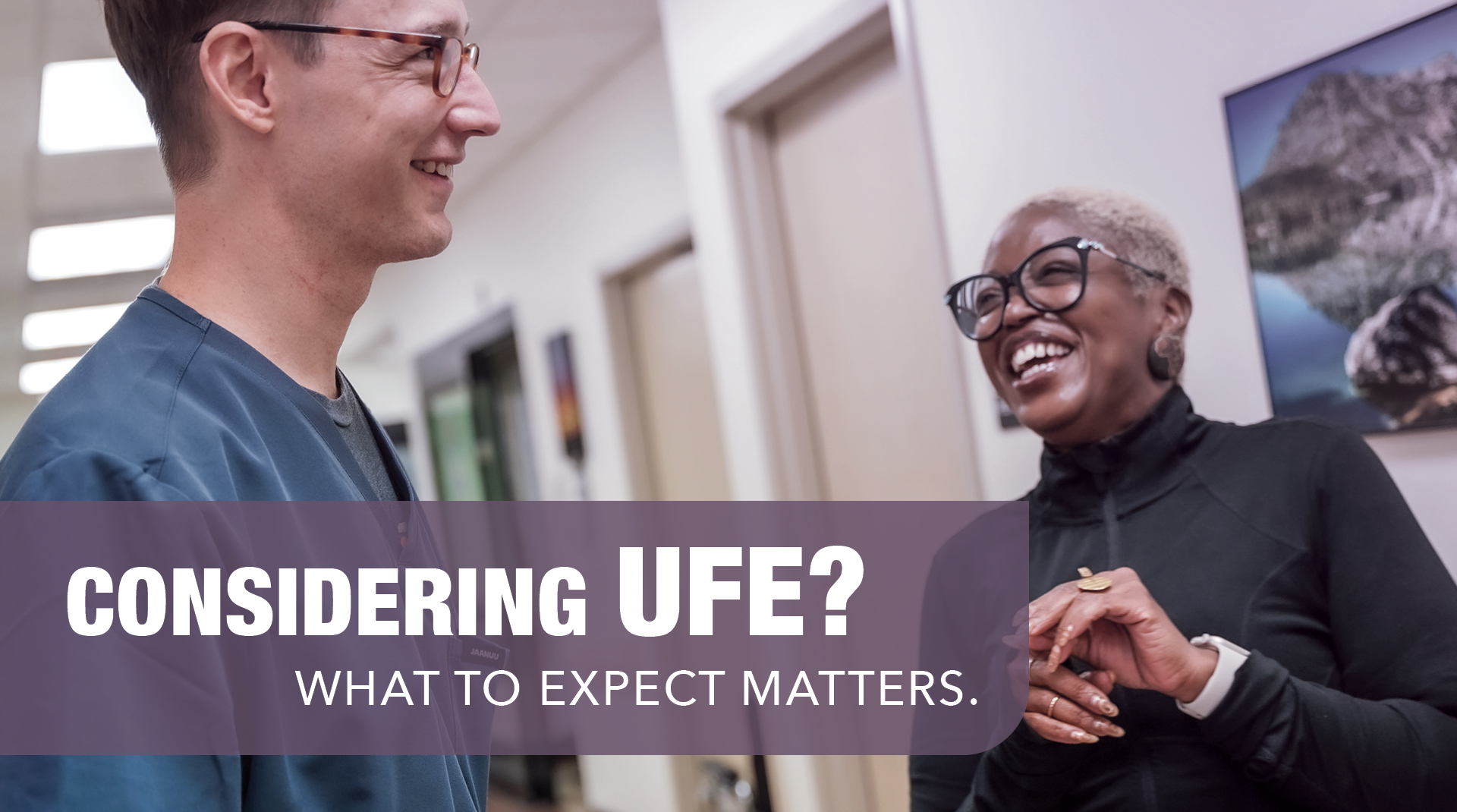
Considering UFE for Fibroids: Why the Patient Experience Matters
April 16, 2026 Richmond Vascular Center
For many women living with uterine fibroids, symptoms such as heavy bleeding, pelvic pain, and fatigue can significantly affect daily life. Uterine Fibroid Embolization (UFE) offers an effective, minimally invasive treatment option that targets fibroids directly without requiring major surgery or removal of the uterus.
While UFE has helped many women find meaningful relief from fibroid symptoms, the experience surrounding the procedure can play an equally important role in how confident and comfortable patients feel throughout their treatment journey. Understanding what to expect before, during, and after UFE can help patients feel better prepared and supported as they explore their treatment options.
How UFE Treats Fibroids
Uterine Fibroid Embolization (UFE) is a minimally invasive treatment performed by an interventional radiologist. The procedure works by blocking the blood flow that feeds uterine fibroids, causing them to shrink over time and relieving symptoms such as heavy menstrual bleeding, pelvic pressure, and frequent urination.
During the procedure, a small catheter is inserted through a tiny incision, typically in the wrist or groin. Using advanced imaging guidance, the physician delivers tiny particles that block the blood vessels supplying the fibroids. Without their blood supply, the fibroids gradually shrink.
Because UFE does not require large incisions or removal of the uterus, many patients experience shorter recovery times compared with traditional surgical treatments such as hysterectomy or myomectomy.
The UFE Care Experience
Many patients considering UFE are not fully familiar with how the procedure works or what recovery may involve. Because UFE is performed by an interventional radiologist and differs from traditional surgery, the process can feel unfamiliar compared to other fibroid treatments.
Some patients say they wish they had received clearer explanations before their procedure, particularly about what recovery might feel like or what symptoms are normal in the days following treatment. Temporary cramping, fatigue, or mild pelvic discomfort can occur during early recovery, and understanding these expectations ahead of time can help patients feel more prepared.
Patients may also have questions about where the procedure takes place. In many cases, UFE can be safely performed in a specialized outpatient facility known as an Outpatient-Based Lab (OBL) rather than a hospital. These facilities are designed specifically for minimally invasive procedures and can offer a more streamlined environment where patients often experience shorter wait times and more direct interaction with their physician.
Clear communication, thorough education about recovery, and access to a supportive care team can all make a significant difference in how patients experience their treatment.
Questions to Ask Before UFE
Before undergoing Uterine Fibroid Embolization, patients should feel comfortable asking questions about the procedure and the care they will receive. These conversations can help ensure patients feel informed, confident, and prepared for treatment.
Helpful questions may include:
- Who will perform my UFE procedure?
- How many UFE procedures has the physician performed?
- Am I a good candidate for UFE based on my fibroid symptoms and medical history?
- What should I expect during the first few days of recovery?
- What symptoms are normal after the procedure?
- Who should I contact if I have questions or concerns after going home?
- What follow-up care will be provided after the procedure?
Having these discussions ahead of time can help patients better understand the treatment process and set clear expectations for recovery.
What to Expect From Quality UFE Care
A positive UFE experience typically begins with a comprehensive consultation. During this visit, patients should have time to discuss their symptoms, medical history, and treatment goals with their physician. The provider should clearly explain how UFE works, what the procedure involves, and what recovery may look like.
Quality care also includes attentive support throughout the entire process—from preparation before the procedure to follow-up care afterward. Patients should feel comfortable asking questions, receiving clear instructions, and knowing who to contact if they need guidance during recovery.
When patients receive thoughtful communication, personalized care, and clear expectations, they are often better prepared for treatment and more confident in their decisions.
When the Care Experience Matters
Uterine Fibroid Embolization (UFE) is a proven and effective treatment for fibroids, but the experience surrounding the procedure is an important part of the overall journey. Patients should feel informed about their options, prepared for the recovery process, and supported by a care team that takes time to communicate and answer questions.
When patients receive clear guidance and compassionate care, they can approach treatment with greater confidence and peace of mind. If you are considering UFE, seeking a provider who prioritizes education, communication, and patient support can help ensure a positive experience throughout your treatment journey.
Return to News & ResourcesMore News
RVC Connects with the Community at the Virginia Black Expo
October 21, 2026
Planning Medical Care Before Year-End: What to Know
October 21, 2026
Compression Therapy for Vein Disease
September 28, 2026
Fibroid Awareness Month: Understanding Fibroids and Your Treatment Options
July 2, 2026
A Patient Guide to Prostate Artery Embolization (PAE)
June 23, 2026